Commercial Painting Services
Commercial Painting ServicesCommercial Painting in Placerville
Commercial painting has to work around more than the surfaces being painted. Employees, customers, patients, visitors, equipment, operating hours, and access to the property can all affect how a project is planned. Bayshore Painters provides commercial interior and exterior painting in Placerville with project coordination built around the needs of the property.
Services range from repainting offices and common areas to exterior painting, steel structure coatings, and epoxy applications. Bayshore Painters works with offices, government buildings, hospitals, medical facilities, and other commercial properties, with surface preparation and coating selection based on the conditions and demands of each project.
Project CoordinationPlanning Painting Around an Active Property
Closing an entire business or facility for painting is not always practical. Commercial projects can often be organized around the way the property operates, with work divided into areas or scheduled around periods of lower activity. Bayshore Painters coordinates working hours with business owners so the painting plan accounts for both the work itself and access to the surrounding property.
That planning should begin before painters arrive. Areas containing furniture, equipment, inventory, or sensitive operations may need different arrangements, while corridors, entrances, restrooms, treatment areas, and other essential spaces may need to remain accessible. Drying and curing time also matters because a surface that is dry to the touch may not yet be ready for normal traffic, cleaning, or equipment.
- Identify critical access: Determine which entrances, corridors, rooms, and work areas need to remain available while painting is underway.
- Plan the project in phases: Larger properties may be divided into work areas so normal operations can continue elsewhere.
- Prepare occupied spaces: Establish how furniture, equipment, inventory, and other items will be moved or protected before work begins.
- Account for drying and curing: Schedule reopening, cleaning, and normal use according to the requirements of the coatings being applied.
- Define the scope clearly: Document which surfaces, repairs, preparation steps, and coatings are included so expectations are established before the project starts.
Property Types & ApplicationsCommercial Painting and Coating Services
Offices and Workspaces
Refresh offices, corridors, conference rooms, entries, and shared spaces while planning the work around employees, customers, and normal business operations.
Government Buildings
Coordinate painting for public and administrative spaces where access, scheduling, and keeping portions of the property available may shape the project.
Medical Facilities
Plan painting around occupied medical environments where room availability, staff and patient routes, and facility requirements need to be considered.
Commercial Exteriors
Prepare and repaint exterior surfaces exposed to weather, including attention to loose coatings, failed joints, cracks, and damaged trim.
Specialty Coatings
Address steel structures and epoxy applications with preparation and coating systems selected for the substrate, environment, and intended use.
For Your Commercial PropertyInterior and Exterior Commercial Painting
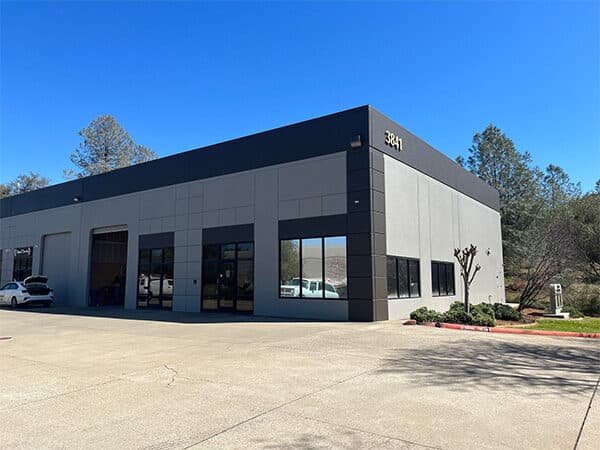
A commercial interior may need to look welcoming to customers, stand up to frequent cleaning, or simply provide employees with a cleaner and more consistent workspace. Different parts of the same building can have different demands. A busy corridor or entry experiences more contact and wear than a private office, while reception areas and customer-facing spaces may place greater emphasis on appearance.
Bayshore Painters prepares commercial interiors by cleaning surfaces, repairing imperfections, and priming where needed before applying the finish. The scope can include walls along with doors, trim, and other agreed surfaces. Planning those details in advance helps establish which areas are being painted and what preparation is included rather than treating the project as simply applying a new color.
Commercial exteriors bring a different set of conditions. Sun, moisture, failed caulking, cracks, loose paint, and deteriorated trim can all affect the new finish. Preparation may include power washing, caulking, repairs, and replacement of damaged trim so exterior problems can be addressed before weather-resistant coatings are applied.
Specialty ApplicationsSteel Structure and Epoxy Coatings
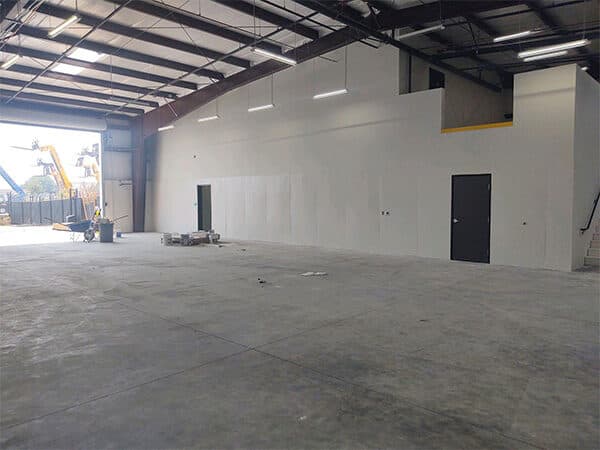
Some commercial surfaces need more than conventional architectural paint. Bayshore Painters provides coating services for steel structures and epoxy applications where the substrate, existing finish, exposure, and intended use all influence how the surface should be prepared and coated.
On steel, rust, flaking coatings, and exposed areas can indicate that the existing protective finish has begun to fail. Surface preparation is an important part of restoring that protection because applying a new coating over loose material or contamination can leave the new system dependent on an unstable layer underneath it.
Epoxy applications have their own preparation requirements. Concrete condition, moisture, contamination, previous coatings, expected traffic, and cleaning exposure can all affect adhesion and coating selection. Bayshore Painters can evaluate the application and define the preparation and coating system appropriate for the project rather than treating every epoxy surface the same way.